Bridging Registration and Rewards: The Role of Transaction Systems in Cross-Platform Gaming Access
Theo Peters · Jun 28, 2026
Bridging Registration and Rewards: The Role of Transaction Systems in Cross-Platform Gaming Access
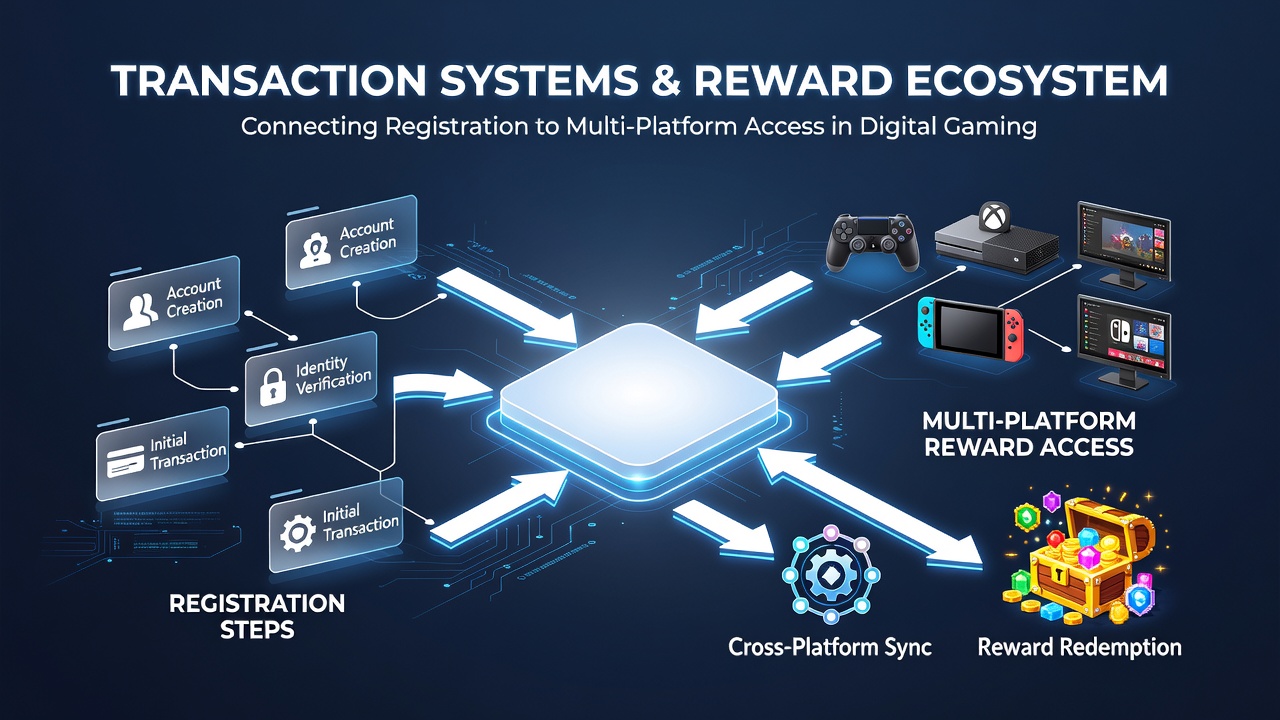
Registration in digital gaming environments begins with basic account creation, where players submit identifiers such as email addresses, usernames, and age verification details, yet transaction systems quickly become essential for progressing beyond this stage. These systems verify identity through payment methods, linking initial data entry directly to financial authentication protocols that satisfy regulatory requirements in various jurisdictions. Observers note that without this connection, accounts remain limited in functionality, preventing access to deposit features or promotional offers that require confirmed funding sources. Payment gateways integrate with registration databases to process initial deposits, often employing real-time authorization checks that confirm card details, e-wallet balances, or bank transfers match the provided user information. Research indicates that this step activates reward eligibility by creating a verified transaction history, which platforms then reference when distributing bonuses or loyalty points. Data shows that many environments require at least one successful deposit before unlocking features like free spins or entry into progressive pools, ensuring that rewards tie explicitly to funded activity rather than unverified profiles.Payment Verification and Reward Activation Pathways
Transaction processors handle the flow from registration to reward access by embedding security layers such as tokenization and fraud detection algorithms, which scan each incoming payment for consistency with registration records. Those who've examined these processes find that successful verifications generate unique session tokens, allowing seamless progression to multi-platform environments where the same account credentials grant entry to mobile applications, desktop clients, and even integrated live dealer interfaces. Figures from industry reports reveal that this token-based approach reduces redundant logins while maintaining reward continuity across devices.
Take one case where a player completes registration on a web portal and follows up with a mobile deposit; the transaction system synchronizes the activity, crediting rewards instantly to both access points without separate approval steps. According to studies on digital payment infrastructure, such synchronization relies on API connections between banking networks and gaming servers, enabling cross-device recognition of prior deposits and accumulated bonuses.
Multi-Platform Reward Synchronization Mechanisms
Once transaction verification occurs, reward access expands across platforms through centralized ledgers that track player balances and eligibility criteria in real time. These ledgers update via encrypted data exchanges, so a bonus earned after a desktop deposit appears available on a tablet or smartphone app within seconds. What's interesting is how this setup supports ecosystem-wide promotions, where players move between different game types or partner sites while retaining access to the same reward pool.
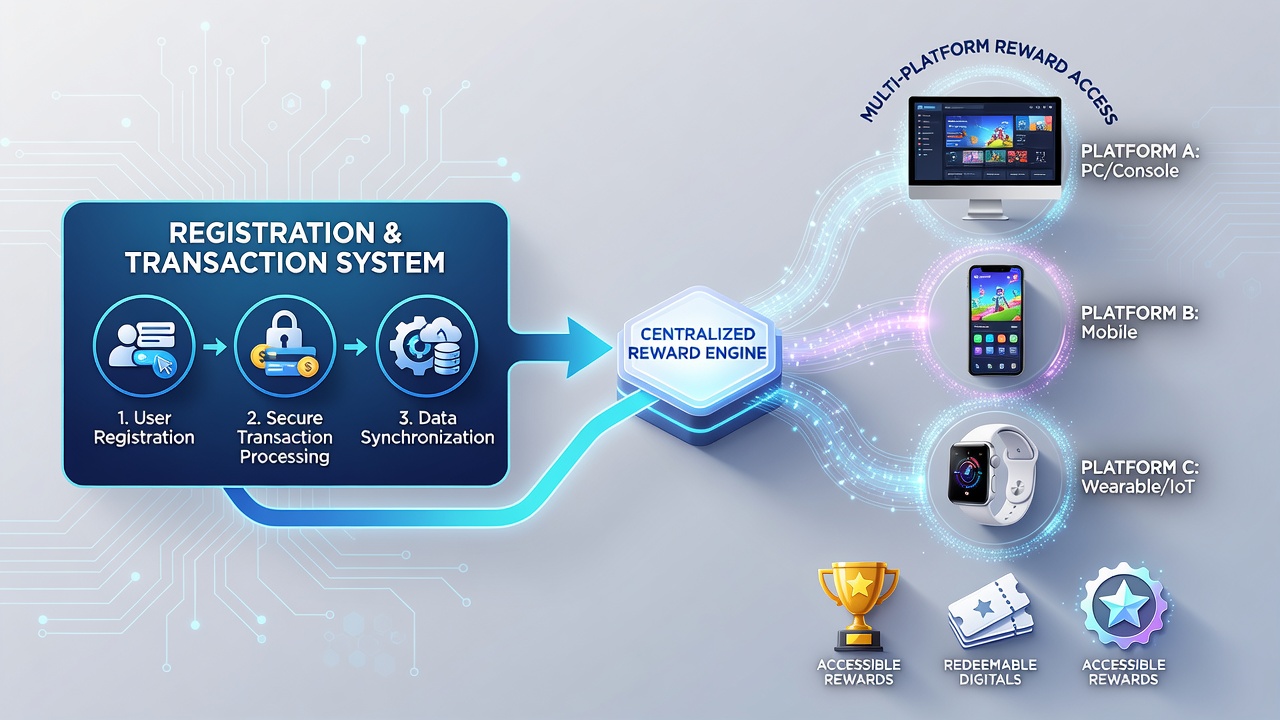
Industry organizations such as the International Gaming Standards Association have documented protocols that standardize these connections, allowing developers to implement unified transaction layers that support multiple operating systems. In June 2026, several platforms adopted enhanced interoperability standards that further streamlined reward transfers, reducing latency in cross-device balance updates as reported in technical briefings from payment technology providers.
Security Protocols Supporting Seamless Access
Encryption standards and compliance checks form the backbone of these transaction systems, ensuring that registration data remains protected while enabling reward distribution. Experts have observed that two-factor authentication tied to payment confirmations adds another verification tier, which then propagates permissions across platforms without requiring repeated inputs. Academic sources, including research from the University of Nevada, Las Vegas International Gaming Institute, highlight how these measures maintain data integrity during high-volume periods, supporting uninterrupted access to accumulated rewards.
Players often discover that transaction histories serve as portable records, allowing rewards earned on one platform to transfer to another through shared account management tools. This connectivity stems from backend architectures that prioritize unified player profiles over isolated device sessions, fostering environments where registration and payments function as gateways rather than barriers.
Conclusion
Transaction systems ultimately transform registration from a static entry point into a dynamic foundation for reward access across digital gaming platforms, with verification processes and synchronization tools providing the necessary infrastructure. Evidence from payment network analyses confirms that these linkages enhance both security and convenience, allowing verified players to navigate multiple environments while retaining full benefit eligibility.