Bridging Secure Payments, Rapid Spins, and Loyalty Tiers in Virtual Gaming Environments
Viktor Simmons · Jul 19, 2026
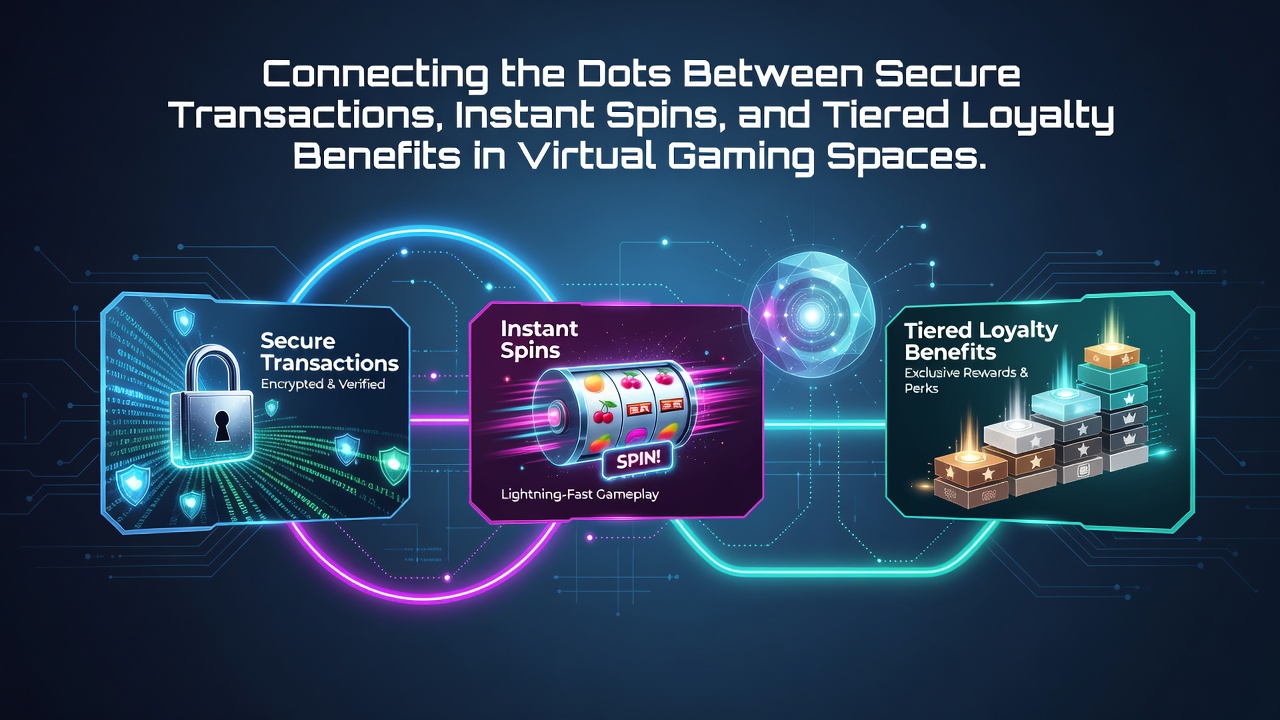
Bridging Secure Payments, Rapid Spins, and Loyalty Tiers in Virtual Gaming Environments
Virtual gaming platforms integrate secure transaction systems with instant spin mechanics and tiered loyalty structures to create seamless player experiences, and data from regulatory bodies shows these elements reinforce one another across multiple markets. Secure payment gateways employ encryption protocols and real-time verification processes that authorize deposits within seconds, which in turn activates immediate access to spinning reels without delays that once characterized earlier platforms.
Secure Transactions as the Foundation
Payment processors in virtual gaming environments rely on tokenization and multi-factor authentication to protect user funds, while platforms in regions such as Ontario and several European jurisdictions have documented faster settlement times that directly support uninterrupted gameplay sessions. Research from the American Gaming Association indicates that adoption of these technologies has expanded steadily through 2026, with July figures reflecting continued investment in infrastructure that reduces processing friction between banking systems and casino wallets.
Operators that implement these safeguards observe higher session completion rates because players encounter fewer interruptions between funding accounts and initiating spins, and the same infrastructure supports withdrawal requests that maintain platform trust over repeated interactions.
Instant Spins and Their Technical Enablers
Once funds clear through verified channels, game engines load reel configurations and random number generators almost instantaneously, allowing players to transition from deposit confirmation to active play in under three seconds on optimized mobile applications. This speed stems from server-side processing that pre-loads assets and caches outcomes, and operators report that such responsiveness correlates with extended engagement periods across both desktop and handheld devices.
July 2026 updates to several major platforms introduced additional compression techniques that further trimmed load intervals, demonstrating how backend optimizations continue to evolve alongside payment security layers. The result appears in aggregated play data where shorter entry barriers translate into higher volumes of completed spins per active user.
Tiered Loyalty Structures and Their Integration
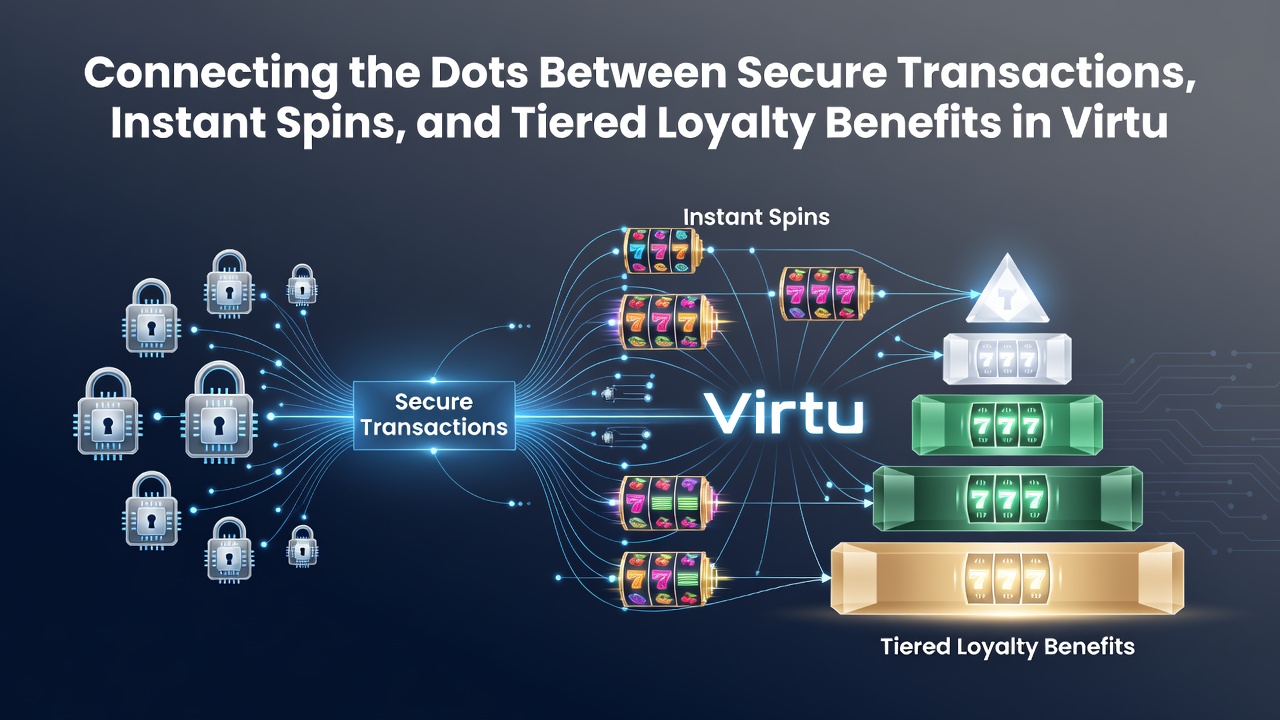
Loyalty programs assign players to ascending tiers based on cumulative wagering volume and account tenure, unlocking graduated benefits that include accelerated spin access, enhanced bonus multipliers, and priority withdrawal queues. These tiers function as progression systems where each level requires sustained activity that itself depends on reliable transaction pathways and responsive gameplay interfaces.
Industry reports compiled by the European Gaming and Betting Association highlight that operators who synchronize loyalty rewards with instant spin capabilities record measurable increases in player retention metrics through the first half of 2026. Participants advance through tiers more consistently when deposits process without friction and spins commence without buffering delays.
Interconnections Across Systems
Secure transactions feed directly into loyalty tracking because every verified deposit contributes to tier qualification points, while instant spins provide the repeatable actions that accumulate those points efficiently. Platforms that align these components observe that players who reach mid-tier status often maintain higher deposit frequencies, creating a feedback loop supported by the underlying payment and game infrastructure.
Observers note that this linkage extends to promotional mechanics such as tier-specific free spin allocations that activate immediately upon qualification, eliminating manual claim processes that previously separated reward delivery from active play. Data sets collected across multiple jurisdictions show consistent patterns where integrated systems sustain longer player lifecycles compared with fragmented alternatives.
Developments Observed in Mid-2026
Throughout July 2026, several platform providers introduced unified dashboards that display real-time tier progress alongside pending transaction statuses and upcoming spin opportunities, reducing the cognitive load on users managing multiple account elements. These interfaces draw from shared databases that update loyalty balances the moment a secure deposit clears and a qualifying spin registers.
Technical audits conducted during this period confirmed that encryption overhead introduced negligible latency when paired with optimized spin engines, allowing operators to maintain both security standards and speed benchmarks simultaneously. Such findings reinforce the viability of maintaining all three pillars without trade-offs in performance.
Conclusion
teh relationship between secure transactions, instant spins, and tiered loyalty benefits rests on shared technical foundations that enable continuous player progression within virtual gaming spaces. Evidence gathered through 2026 demonstrates that platforms maintaining tight integration across these areas sustain higher activity levels and longer account lifespans, as each component supports the operational requirements of the others. Continued refinement of payment verification, game responsiveness, and reward structures suggests these connections will remain central to platform design in subsequent periods.