Charting Financial Pathways That Elevate Loyalty Tiers Across Reel Spins and Real-Time Dealer Tables
Iris Koch · May 19, 2026
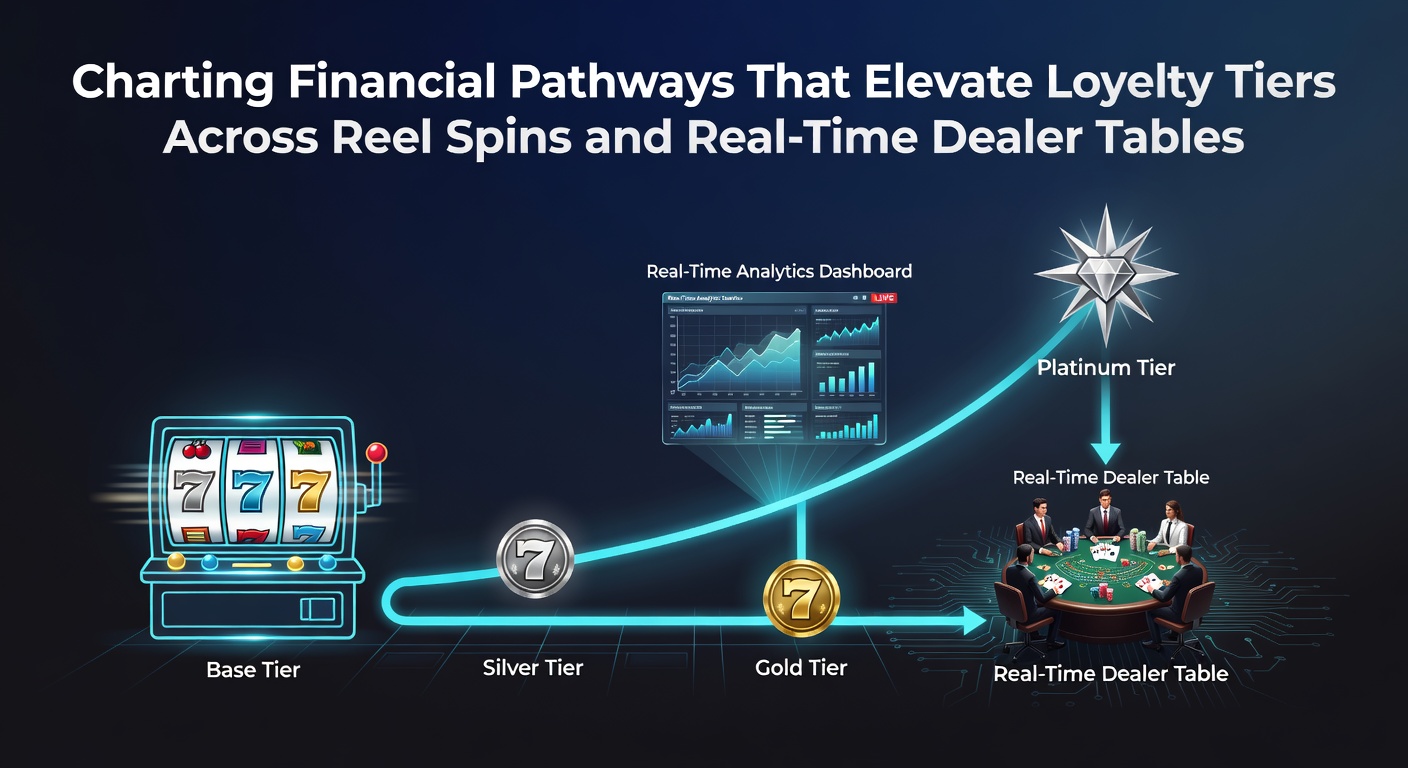
Charting Financial Pathways That Elevate Loyalty Tiers Across Reel Spins and Real-Time Dealer Tables
Financial pathways in online gaming environments connect player activity across reel spins and real-time dealer tables to structured loyalty systems that reward consistent participation, and these frameworks have expanded in scope during 2026 as platforms integrate cross-game tracking tools that monitor both digital slot engagement and live dealer interactions simultaneously.
Core Mechanics of Tiered Loyalty Programs
Loyalty tiers operate through point accumulation systems where players earn credits based on wager volumes, and these credits determine progression through levels that unlock additional benefits such as enhanced cashback rates, exclusive event access, and accelerated withdrawal processing. Operators structure these programs to differentiate between casual participants and high-volume users while maintaining compliance with licensing requirements across multiple jurisdictions.
Reel spins contribute to tier elevation when players place bets on slot machines that feed into centralized tracking databases, and the same accounts record activity at real-time dealer tables where table game wagers generate points at varying multipliers depending on game type and stake size. This dual-path approach allows participants to advance their standing through either format or a combination of both, creating flexible routes toward higher membership ranks.
Deposit and Transaction Strategies Supporting Tier Growth
Platform operators link deposit methods to loyalty calculations by assigning bonus multipliers to certain funding options, and these incentives encourage players to maintain active balances that support ongoing play across slots and live tables. Instant deposit services have gained traction because they reduce downtime between sessions, allowing continuous point accrual without interruption from processing delays.
Financial pathways also incorporate withdrawal policies that reward tier status with fee reductions or priority handling, and these features become available once players reach intermediate or premium levels through accumulated reel and table activity. Research from the Malta Gaming Authority indicates that structured reward tiers correlate with longer average session durations when players perceive clear progression incentives tied to their transaction history.
Integration of Reel Spins and Live Dealer Activity in 2026
Hybrid tracking systems introduced in early 2026 synchronize point earning from reel-based games with live dealer environments, and this integration enables players to balance their activity between automated slot sessions and interactive table games without losing momentum in their tier status. Developers have refined algorithms that calculate equivalent point values for different game categories, ensuring fair progression regardless of preferred format.
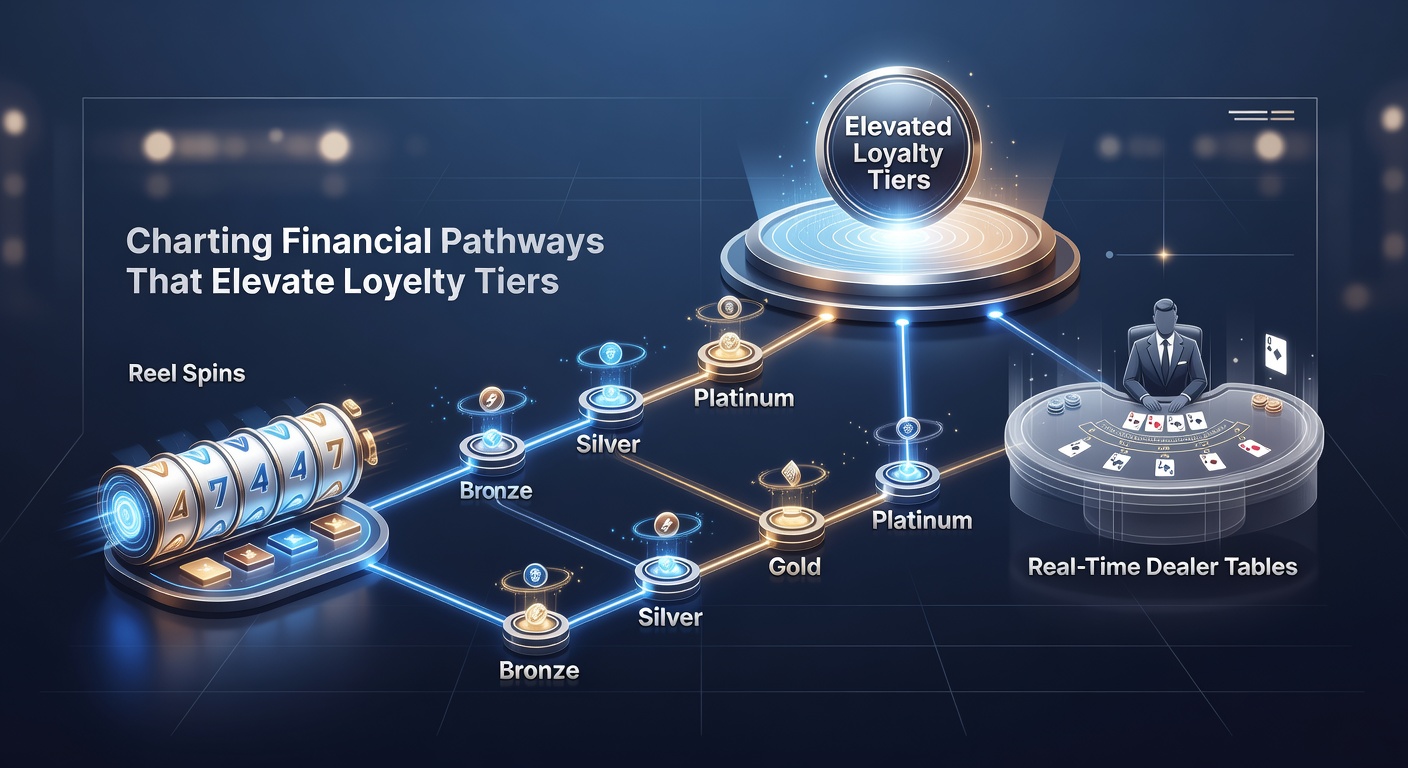
Observers note that May 2026 saw several major platforms release updated loyalty dashboards that display combined progress from both reel spins and dealer tables in a single interface, and these tools help participants visualize their advancement while adjusting betting patterns to optimize point collection rates. The updates also incorporate predictive analytics that suggest game selections likely to accelerate tier movement based on historical data.
Regional Regulatory Influences on Loyalty Structures
Regulatory frameworks in various regions shape how financial pathways intersect with loyalty tiers, and licensing bodies require transparency in point valuation and reward distribution to protect participants from misleading promotional practices. Canadian provincial regulators, for instance, have examined how loyalty programs handle cross-game contributions, leading to standardized reporting that clarifies how reel and table activity translate into tier benefits.
European operators have aligned their systems with directives that emphasize responsible gaming measures within loyalty frameworks, and these measures include spending limits that scale according to tier level while still permitting progression through measured participation. Data from the Alcohol and Gaming Commission of Ontario shows measurable differences in player retention rates when loyalty pathways explicitly connect deposit activity to tier advancement across multiple game types.
Conclusion
Financial pathways that elevate loyalty tiers continue to evolve as platforms refine their integration of reel spins and real-time dealer tables, and these developments reflect broader industry shifts toward unified player tracking that rewards diverse gaming preferences. Participants who understand the mechanics of point accrual and transaction incentives can navigate tier progression more effectively while operators maintain compliance with evolving regulatory standards across jurisdictions.