How Deposit Methods Shape Access to Elite Tiers in Mobile Live Gaming Platforms
Kai Brooks · Jul 14, 2026
How Deposit Methods Shape Access to Elite Tiers in Mobile Live Gaming Platforms
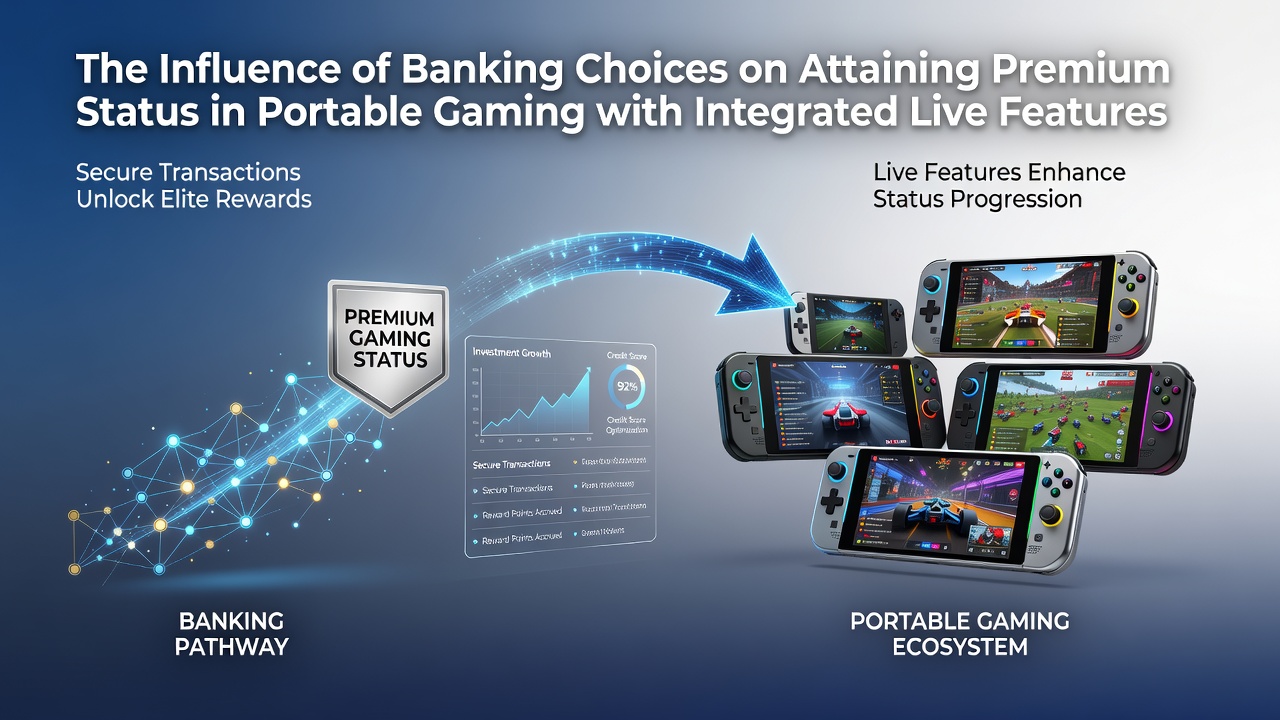
Banking selections in portable gaming environments with live dealer integration often determine how quickly players move through loyalty ladders toward premium designations. Data from industry reports indicate that transaction speed, fee structures, and acceptance rates directly influence point accumulation rates and qualification timelines for higher status levels. Observers note patterns where certain payment rails accelerate entry into exclusive tiers while others create friction that delays advancement.
Transaction Velocity and Loyalty Point Systems
Portable platforms integrate live features such as real-time table games alongside slot mechanics, and these environments track every deposit and withdrawal against tier progression metrics. Research from gaming analytics firms shows that instant deposit methods, including e-wallets and certain bank transfer services, register activity within seconds and feed directly into daily or weekly point calculations. Slower options like traditional card processing or wire services can lag by hours or days, which means fewer qualifying transactions occur within the same evaluation window.
Those who study player behavior patterns have documented cases where users switching to faster rails increased their monthly transaction volume by measurable margins, pushing them past thresholds for silver, gold, or platinum designations. These thresholds typically combine deposit totals with frequency and game type participation, including live dealer sessions that award bonus multipliers.
Fee Structures and Net Contribution Calculations
Premium status programs calculate net player value after subtracting processing costs, and banking choices alter this equation substantially. Methods carrying higher merchant fees reduce the effective contribution per transaction, which can extend the time required to reach required spend levels. In contrast, low-cost or zero-fee rails preserve more of each deposit for point generation, allowing the same nominal amount to satisfy tier criteria sooner.
Figures from Canadian provincial regulators, including data compiled by the Alcohol and Gaming Commission of Ontario, reveal that payment method preferences vary regionally and correlate with observed differences in loyalty program uptake. Similar observations appear in reports covering Australian markets where digital wallet adoption has grown steadily since regulatory updates in 2024.
Live Feature Integration and Real-Time Qualification
Integrated live environments demand continuous funding because session lengths vary and minimum bet requirements fluctuate. Banking methods that support seamless top-ups during active play sessions help maintain momentum toward tier goals. Platforms record these micro-transactions and apply them to progress bars that determine monthly or quarterly status reviews.
Players utilizing prepaid vouchers or cryptocurrency options sometimes encounter verification delays that interrupt live table continuity, whereas established e-wallet accounts process approvals in under a minute. This difference in operational flow affects both session duration and total wagered amounts tracked by the system.
Regulatory Frameworks and Payment Compliance
Across multiple jurisdictions, licensing bodies impose standards on payment processing that indirectly shape VIP pathways. The Nevada Gaming Control Board maintains records showing how approved transaction methods must meet security and speed benchmarks before platforms can integrate them into loyalty tracking modules. Compliance with these standards ensures that every deposit counts toward premium qualification without administrative hold periods.
European trade associations, including the European Gaming and Betting Association, have published summaries indicating that harmonized payment rules across member states have streamlined cross-border mobile gaming transactions since 2025. These changes reduced processing variances that previously created uneven progression rates for international users.
July 2026 Platform Updates and Status Tracking
Platform operators rolled out enhanced mobile interfaces in July 2026 that display real-time banking impact on tier progress. These dashboards highlight projected qualification dates based on chosen payment rails and average transaction sizes. Users receive alerts when switching methods would shorten the timeline to the next premium level by a defined number of days.
Academic studies from institutions examining digital entertainment economics note that transparent feedback loops of this type encourage adoption of efficient banking options without altering overall spending behavior. The systems simply optimize how existing activity maps onto status milestones.
Conclusion
Banking choices function as structural variables within mobile gaming ecosystems that incorporate live features. They modulate transaction speed, net contribution values, and compliance alignment, each of which feeds into automated tier advancement algorithms. Observers tracking industry metrics continue to document these relationships across regulated markets, where payment infrastructure evolves alongside platform capabilities and player expectations for seamless progression.