The Evolution of Online Slot Casinos: From Simple Reels to Immersive Digital Experiences
Theo Peters · Jul 26, 2026
The Evolution of Online Slot Casinos: From Simple Reels to Immersive Digital Experiences
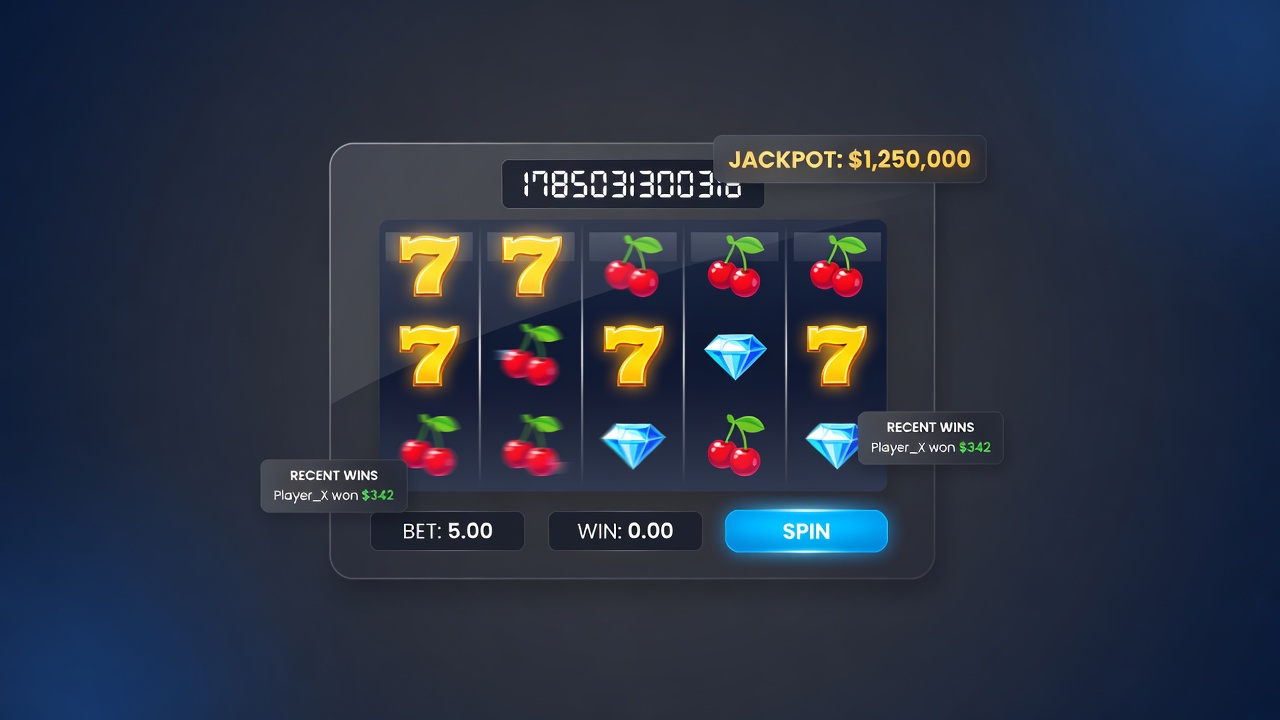
Online slot casinos have transformed from basic digital versions of mechanical machines into complex platforms that combine advanced algorithms with interactive features, and this shift has occurred rapidly over the past two decades. Early implementations relied on random number generators to ensure fair outcomes, yet developers soon layered in themes, bonus rounds, and progressive systems that connected multiple games across networks. Data from industry reports indicate that these additions helped expand participation in regions where land-based options faced geographic limits, while mobile compatibility later accelerated access for users who preferred play on smartphones and tablets.
Mechanics and Technical Foundations
Random number generators form the core of every online slot, producing thousands of results per second to determine symbol placements on virtual reels, and regulatory testing laboratories verify these systems meet standards for unpredictability before operators receive approval. Software providers build games around return-to-player percentages that range from the mid-90s upward, although actual results vary by individual session because each spin operates independently. Multipliers, wild symbols, and scatter features appear in most titles today, while some incorporate cascading reels or cluster pays that replace traditional paylines with new winning patterns based on adjacent symbols rather than fixed lines.
Global Market Expansion Patterns
Markets outside traditional gambling hubs have shown consistent growth as licensing frameworks matured in places like the Isle of Man and Curacao, allowing operators to serve international audiences under structured oversight. Participation rates climbed as broadband speeds improved and payment processors added instant deposit options that reduced friction between decision and play, adn observers note that these conveniences aligned with broader shifts toward digital entertainment consumption. In July 2026 several jurisdictions plan to review cross-border licensing agreements that could further standardize player protections and tax reporting across participating countries.
Research from the American Gaming Association highlights how online formats complement rather than replace physical venues in regulated U.S. states, creating hybrid player journeys that begin on mobile and sometimes continue at casino floors. Similar patterns appear in parts of Europe and Asia where local rules permit licensed digital offerings alongside established brick-and-mortar sites.
Mobile Integration and User Experience
Smartphone optimization changed how developers approach game design because smaller screens required simplified interfaces that still delivered engaging visuals and sound. Touch controls replaced mouse clicks for spinning and selecting bets, while push notifications now alert users to time-limited events or accumulated loyalty points. Data collected by platform analytics firms show that session lengths on mobile devices often exceed those on desktop because players can engage during short breaks throughout the day rather than dedicating longer blocks of time.
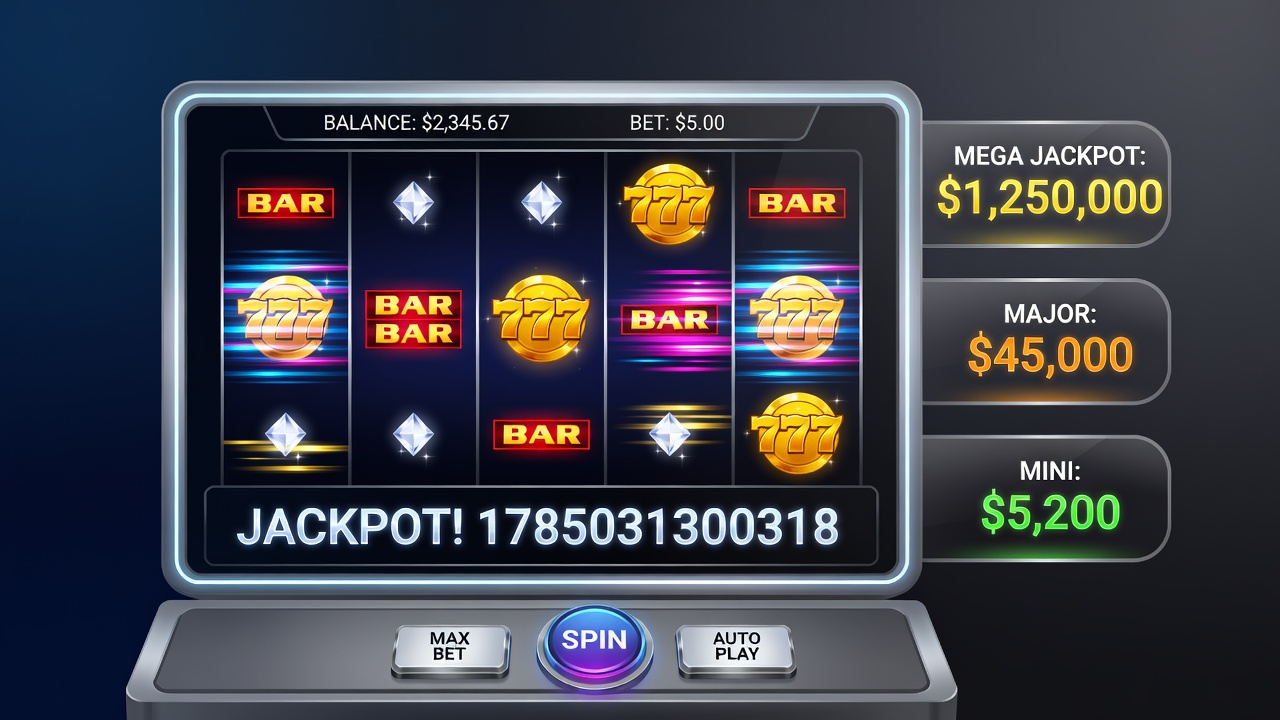
Payment methods evolved in parallel with these devices, and many casinos now support digital wallets that complete transactions in seconds. Security protocols such as two-factor authentication and encrypted data streams protect account details, meeting requirements set by oversight bodies in multiple jurisdictions. Players who use these features report fewer interruptions, allowing focus to remain on the games themselves.
Regulatory Developments and Player Protections
Authorities in Canada and Australia have introduced updated guidelines that emphasize responsible gaming tools including deposit limits, reality checks, and self-exclusion options that operators must integrate into their platforms. These measures aim to balance commercial activity with harm minimization, and compliance audits occur regularly to confirm adherence. International cooperation through organizations such as the European Gaming and Betting Association helps share best practices across borders, reducing duplication of effort for companies that operate in several markets simultaneously.
Looking Ahead to Mid-2026 and Beyond
July 2026 is expected to bring further refinements in virtual reality testing for select slot titles, allowing players to enter simulated casino environments through headsets while maintaining the same random outcomes governed by certified generators. Blockchain-based verification of game fairness continues to gain traction in certain markets as an additional transparency layer that users can check independently. Industry analysts project that these incremental changes will sustain interest without altering the fundamental appeal of chance-based reel mechanics that have persisted since the earliest digital adaptations.
Conclusion
Online slot casinos continue to adapt through technological updates and regulatory adjustments that reflect changing consumer habits across regions. The combination of certified random systems, mobile accessibility, and expanding payment options has created a stable framework that supports both entertainment value and oversight requirements. As new features emerge in coming months, the sector maintains its position within the broader digital entertainment landscape by focusing on verifiable fairness and user convenience.