Tracing Transaction Routes That Link Onboarding Steps to Tiered Rewards in Portable Gaming Formats
Theo Peters · Aug 20, 2026
Tracing Transaction Routes That Link Onboarding Steps to Tiered Rewards in Portable Gaming Formats
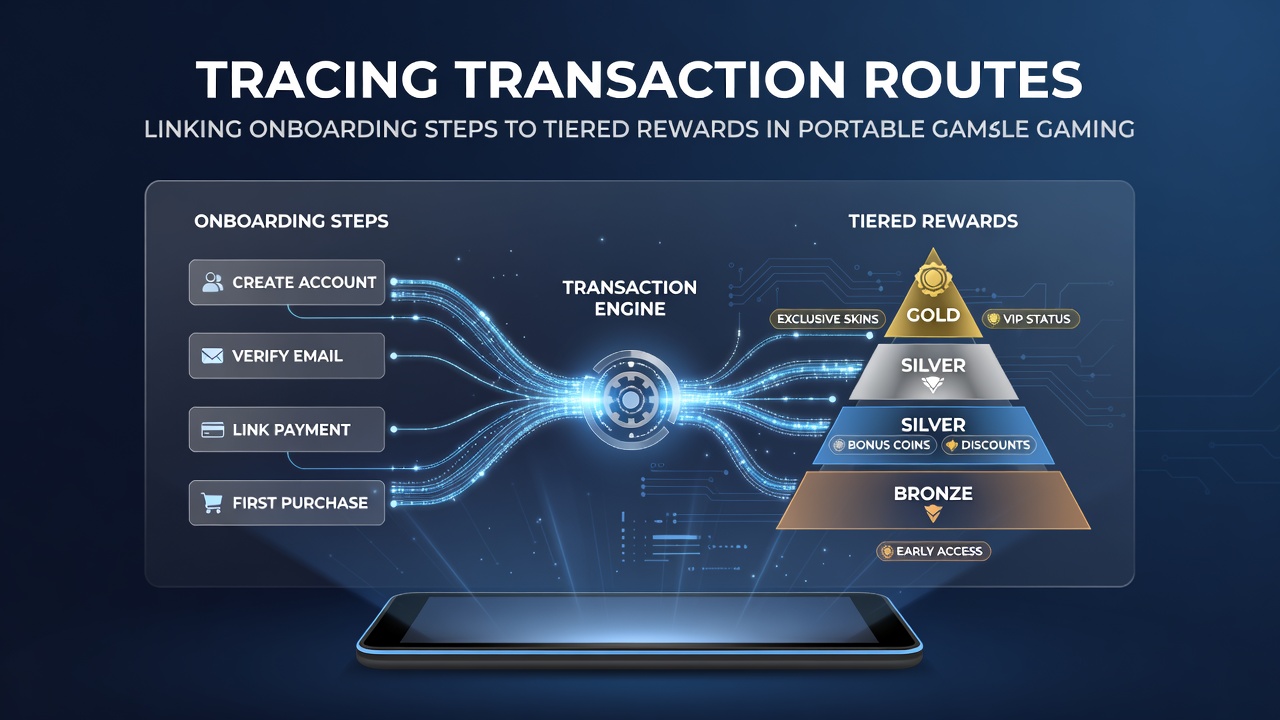
Portable gaming formats have reshaped how players move through initial registration and into structured reward systems, with transaction routes serving as the connective tissue between onboarding and tier advancement. Mobile platforms record every deposit, verification step, and account activity in sequences that determine eligibility for escalating benefits such as additional spins, cashback percentages, and priority access to progressive features.
Initial Onboarding and Transaction Capture
Registration begins with basic profile creation followed by identity verification that often requires a small test transaction or linked payment method. Those who've studied mobile systems observe that the first deposit triggers automated logging of amount, timing, and payment channel, which feeds directly into backend algorithms that assign preliminary tier status. Data from industry reports indicate these early transactions establish the baseline for subsequent reward calculations, since platforms use them to flag active accounts versus dormant ones.
Payment Pathways and Verification Loops
Once a deposit clears, the route branches into several parallel processes: funds allocation to the gaming wallet, compliance checks against regional rules, and initial reward credit issuance. In August 2026 several North American operators updated their mobile frameworks to shorten verification loops from 48 hours to under six, allowing faster movement along the transaction chain while maintaining audit trails required by state regulators. Observers note that this acceleration reduces drop-off rates between signup and first play session.
Progression Through Tier Thresholds
Tiered rewards operate on cumulative transaction metrics that include deposit volume, wager totals, and session frequency. Each completed route segment adds points or levels that unlock higher benefits; for example, a player reaching the second tier after three verified deposits might receive enhanced withdrawal speeds and exclusive bonus pools. Research from academic studies on digital entertainment economies shows these systems rely on real-time data pipelines that trace every micro-transaction back to the original onboarding event, creating a continuous record rather than isolated snapshots.
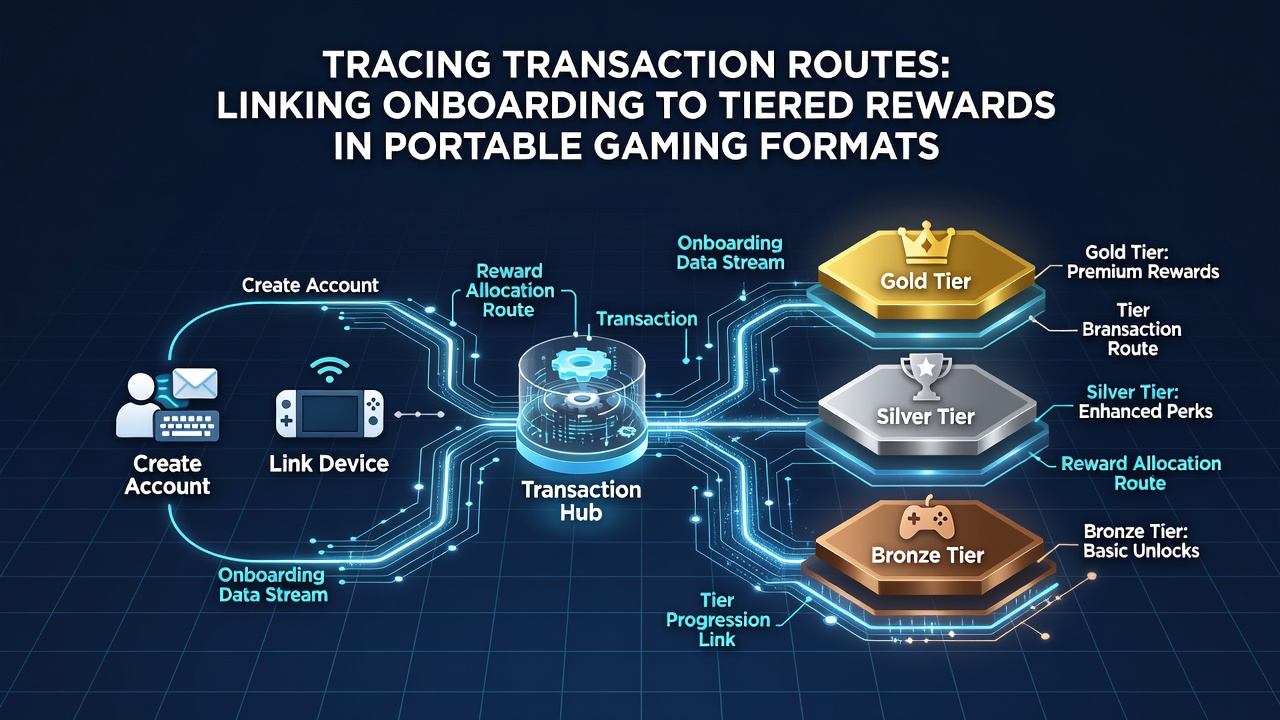
European operators have adopted similar models, with one analysis from the European Gaming and Betting Association highlighting how cross-border mobile users follow comparable paths despite differing local tax treatments on deposits. The study found that platforms maintaining transparent transaction ledgers experience steadier player retention across tiers because users can view exactly which actions advance their status.
Technical Infrastructure Supporting Route Mapping
Backend systems employ distributed ledger elements and API integrations that timestamp each step from account creation through reward redemption. These tools allow operators to reconstruct full player journeys when disputes arise or when regulatory reviews require detailed histories. Analysts point out that portable formats add complexity because device changes, operating system updates, and intermittent connectivity can interrupt transaction sequences, prompting platforms to build redundancy into their logging mechanisms.
Canadian provincial authorities have published guidelines on data retention for mobile gaming transactions, emphasizing that operators must preserve records linking initial deposits to tier benefits for a minimum of seven years. Such requirements encourage the development of unified dashboards where both players and compliance teams can trace progression without manual reconstruction.
Regional Variations in Transaction Handling
Australian frameworks place greater emphasis on responsible play markers embedded within the reward tier structure, requiring that transaction routes flag unusually rapid deposit patterns before higher-tier benefits activate. Meanwhile, certain U.S. tribal gaming commissions have focused on interoperability between mobile wallets and land-based loyalty cards, allowing transaction history to carry over and accelerate tier movement for hybrid players. These differences illustrate how local priorities shape the precise mapping of onboarding to rewards without altering the core principle that traceable deposits drive progression.
Conclusion
Transaction routes in portable gaming formats form a documented pathway from the moment a user completes onboarding to the point where tiered rewards become accessible. Regulatory bodies across multiple jurisdictions continue to refine standards around data transparency and record-keeping, while operators refine their technical systems to handle increasing volumes of mobile activity. The result is an evolving infrastructure where every deposit and verification step contributes to a verifiable record of player advancement through reward structures.